





Staying active and engaging in regular exercise is important for everyone, but it becomes increasingly important as we get older. As we age, our bodies naturally undergo change, resulting in a decrease in muscle mass, bone density, and flexibility. But by keeping fit and active, elderly people could mitigate these changes and maintain good health and well-being.
Taking part in frequent exercise as we get older can assist in reducing the risk of health problems, from heart disease to diabetes and obesity. It should also help to improve balance, physical coordination, flexibility, and strength, which then can help reduce the risk of falls, muscle strains, and any other potential injuries.
Chair aerobics
Chair aerobics is a form of low-impact exercise that can be done while sitting in a chair. It’s perfect for those who may have difficulty standing or who are recovering from an injury or surgery. This type of exercise is also helpful for those who want to improve their cardiovascular health and increase their overall fitness levels for the elderly. The great thing about chair aerobics is that you don’t need any special equipment to get started – just a sturdy chair and some comfortable clothing.
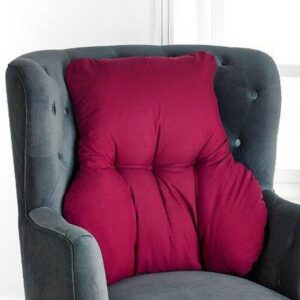
Some examples of chair aerobics exercises include arm circles, toe taps, leg lifts, and seated jumping jacks. To do arm circles, simply raise your arms up to shoulder level and circle them forward and backward. Toe taps involve tapping your toes on the floor while seated, and leg lifts involve lifting your legs one at a time while keeping your feet on the floor. Seated jumping jacks involve jumping your legs in and out while keeping your feet on the floor, similar to regular jumping jacks. These exercises can help get your heart rate up and improve your flexibility and strength. To feel comfort doing exercises you can get Back Support Cushion which was made in the UK to the exacting standards of leading hospitals and nursing homes.
Dance classes
Dance classes are a fun and engaging way for elderly people to stay active and improve their overall health and wellbeing. Dancing can help improve cardiovascular health, balance, coordination, and flexibility. It can also be a social activity, which can help combat loneliness and improve mental wellbeing. There are many different types of dance classes to choose from, including ballroom, salsa, and line dancing. Each of these styles has its own unique benefits and challenges, but they all share the common goal of getting you moving and grooving.
To get started with dance classes, all you need is some comfortable clothing and a willingness to try something new. Many community centres and gyms offer dance classes specifically tailored to older adults, so be sure to look for classes in your local area.
Dance classes are fun balance exercises for elderly as you can expect to learn a variety of dance steps and routines, and you’ll be able to move to different types of music. Some classes may focus more on technique and others may focus more on having fun and socializing. Whatever your preference, dance classes can be a great way to get moving and stay active.
Walking
Walking is a calming and very accessible form of exercise that is great for getting the body moving, increasing your heart rate, and can improve your overall health and well-being. It can be done by almost anyone, regardless of age or fitness level. Walking regularly helps to reduce the risk of health problems, such as heart disease, diabetes, and high blood pressure. It also helps improve your balance, mind-muscle connection, flexibility, and boosts mental well-being. You don’t need much to have a great walk all you need is a comfortable pair of shoes and a plan of where to go, such as a local park, a nature trail, or even around your neighbourhood.
To get the most out of your walking routine, it’s essential to start slowly and gradually increase the distance and intensity of your walks. Aim to walk briskly, but make sure to listen to your body and not push yourself too hard. You can also incorporate other exercises into your walking routine, such as heel raises or lunges, to help improve strength and flexibility.
Tai Chi
Tai Chi’s a form of exercise that originated in China and has been practiced for centuries. It’s a low-impact, gentle form of expressive exercise that includes slow, flowing movements and deep breathing. Tai Chi has a number of benefits for elderly people, including improved balance, flexibility, and cardiovascular health. The calming nature of Tai Chi has been shown to help reduce stress and anxiety, as well as improve overall mental well-being. Tai Chi is for anyone – it can be practiced by any fitness level and can be done either alone or in a group setting.
During a typical Tai Chi session, participants move through a series of gentle, continuous movements that are designed to promote relaxation and balance. These movements are often performed in slow motion, allowing for greater focus and control. Tai Chi also incorporates deep breathing exercises, which can help improve lung capacity and overall respiratory health.
If you’re interested in trying Tai Chi, there are many resources available to get started. Many community centres and gyms offer Tai Chi classes specifically tailored to older adults. You can also find instructional videos and online resources to help you learn the basic movements and get started with your own Tai Chi practice at home. It’s crucial to start slowly and gradually increase the intensity and duration of your Tai Chi practice over time. As with any new exercise routine, it’s important to speak with your doctor if you have any on-going health complications.
If you have any health concerns or pre-existing conditions, it’s important to speak with your doctor before starting a new exercise routine.
Accessories and tools to make exercising easier and more fun
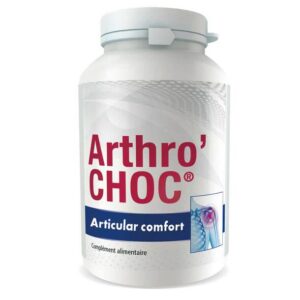
While exercise is important for maintaining good health, it can sometimes be challenging, particularly as we age. Fortunately, there are many accessories and tools available that can help make exercising easier and more enjoyable. For example, ArthroChoc tablets can help support joint health and aid symptoms of osteoarthritis and arthritis, which makes it easier to move and exercise without pain.
If you suffer from bunions or other foot problems, using a bunion relief sleeve can help ease discomfort while exercising. Additionally, using a Vibro Neck Massager can help ease tension in your neck and shoulders, which can be especially helpful after a long day of sitting or standing.
If you suffer from knee pain, a Magnetic Knee Strap can be an effective tool for relieving pain as well as supporting the joint. And, for those looking to improve circulation and reduce leg pain or swelling, the Vital Leg machine can help revitalise your legs in just two minutes a day.
Maintaining good posture is crucial for mature people, as they are more prone to developing back problems and other issues related to poor posture. Good posture can help reduce strain on the back and neck muscles, improve breathing, and boost overall energy levels. One tool that can be helpful in maintaining good posture is the Bioposture Back Corrector. This structured posture corrector is designed to align your spine and support the natural curvature of your back. It can be worn while sitting, standing, or exercising, and is easy to adjust to comfortably fit your individual body type.
By incorporating these activities and tools into your exercise routine, you can help reduce pain, discomfort, and frustration, making it easier and more enjoyable, and fun to stay active and healthy. Whether you’re just starting out or looking for new ways to maintain your fitness, there are plenty of options available to help you stay active and healthy at any age.


