





A healthy garden is not just a collection of plants; it is an intricate ecosystem teeming with diverse life forms. Effective pest control plays a vital role in preserving this biodiversity. Pests have a knack for targeting specific plant species, causing imbalances within the ecosystem. Controlling pests prevents the dominance of certain species and promotes a harmonious coexistence of plants, insects, birds, and beneficial organisms.
When pests go unchecked, they can disrupt the natural balance by decimating populations of beneficial insects, such as ladybugs or lacewings, which are crucial for pollination and pest control. Maintaining a healthy population of these natural predators helps to keep pest populations in check and reduces the reliance on chemical interventions.
By embracing effective pest control methods, you create a garden that supports a thriving web of life. You provide a habitat for beneficial insects, birds, and other creatures that contribute to your garden’s overall health and balance. The result is a visually stunning space and a living sanctuary where nature’s symphony plays out in harmony.
Common garden pests
As gardeners, it’s essential to be aware of the potential threats posed by pests and understand the specific damages they inflict on our beloved plants.
| Pest |
Description of Damage |
| Aphids | These small, soft-bodied insects cluster on plant stems and leaves, sucking sap and causing curling or yellowing of foliage. They excrete a sticky substance called honeydew, which can attract ants and promote fungal growth. |
| Slugs and Snails | These slimy creatures feed on plant leaves, resulting in irregular holes and damage. They are most active during cool, damp conditions, especially in the evening and night. Their feeding can severely impact young seedlings and delicate foliage. |
| Beetles | Beetles such as Japanese beetles, Colorado potato beetles, and flea beetles can cause significant damage to plants. They feed on foliage, leaving behind chewed leaves, skeletonised leaves, or defoliation. Some beetles also attack fruits and flowers, impacting overall plant health. |
| Flea Beetles | Flea beetles are small, jumping insects that chew tiny holes in plant leaves. Their feeding can result in stunted growth, distorted leaves, and overall weakening of the plant. They particularly target leafy greens and cruciferous vegetables like cabbage and broccoli. |
A healthy garden ecosystem attracts a wide variety of pollinators, such as bees and butterflies, which are essential for the reproduction of many plants. By protecting your garden from destructive pests, you create an inviting environment that entices these invaluable pollinators, ensuring your plants’ continued growth and abundance.
How to get rid of pests and bugs in garden soil
A garden’s soil is its foundation, providing essential nutrients and support for the plants to thrive. Unfortunately, soil pests can cause significant damage and hinder the growth of your beloved plants. But fear not, fellow gardeners! Here are some effective methods to rid your garden soil of these pesky intruders:
Soil solarisation
One natural and chemical-free method to combat soil pests is solarisation. Start by watering the soil thoroughly, then cover it with a clear plastic tarp, securely sealing the edges. Leave the tarp in place for several weeks during the hottest months of the year. The sun’s intense heat will raise the soil temperature, effectively killing many soil pests, including nematodes, fungus gnats, and weed seeds.
Crop rotation
Crop rotation is an age-old practice that helps disrupt the life cycles of soil pests. By rotating the types of plants you grow in different areas of your garden each year, you make it more difficult for pests to establish themselves. Some pests are specific to certain plant families, so by planting unrelated crops in those areas, you reduce the risk of infestations. Additionally, certain plants release natural compounds that deter pests, further aiding in pest control.
Biological control
Introducing beneficial organisms into the soil can help control pests naturally. One example is beneficial nematodes, which are microscopic worms that target and parasitise harmful insects and larvae in the soil. These nematodes can be purchased from garden supply stores and applied according to the instructions. Another option is using predatory insects like ground beetles or rove beetles, which feed on soil-dwelling pests.
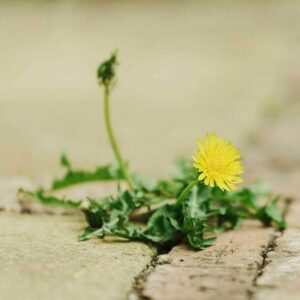
Resolva Pro Weedkiller Xtra Tough, the ultimate solution for tackling those stubborn weeds in your garden. You’ll start seeing visible results in just 24 hours. Take control of your garden and easily eliminate those persistent weeds, allowing your plants to flourish without competition.
Organic soil amendments
Certain organic soil amendments can help deter and control soil pests. For instance, adding crushed eggshells to the soil can create a barrier that physically deters crawling insects. Neem cake or neem oil can also be used as a natural pesticide and soil amendment. These organic methods not only combat pests but also improve soil health and fertility.
Sanitation and weed control
Maintaining good garden hygiene is essential for pest management. Remove plant debris, fallen leaves, and weeds from your garden regularly, as they can provide hiding places and breeding grounds for pests. By keeping the garden clean and free from debris, you disrupt the lifecycle of many soil-dwelling pests and reduce their numbers.
How to prevent pests in a vegetable garden
Growing your own vegetables is a rewarding experience, but it can be disheartening to see pests ravaging your precious plants. However, with a few preventive measures in place, you can minimise pest damage and enjoy a thriving vegetable garden. Here are some effective strategies to keep those pesky pests at bay:
Plan and design thoughtfully
Start by planning your vegetable garden with pest prevention in mind. Consider the layout and arrangement of your plants, making use of companion planting techniques. Certain plant combinations can naturally repel pests or attract beneficial insects that prey on pests. For example, planting marigolds alongside your vegetables can deter aphids and nematodes.
Implement physical barriers
Physical barriers are a simple yet effective way to prevent pests from reaching your vegetable plants. Use row covers or netting to shield vulnerable crops from pests like birds, rabbits, and insects. Make sure the barriers are properly secured to prevent pests from accessing your precious plants.
Maintain garden hygiene
Good garden hygiene is essential in preventing pests. Regularly remove weeds, fallen leaves, and plant debris from the garden, as they can provide hiding places and breeding grounds for pests. Clearing away decaying vegetation and practicing proper sanitation reduces the chances of pests finding a home in your garden.
Use natural pest deterrents
Embrace nature’s pest deterrents by using organic methods to protect your vegetable plants. For example, garlic and onion sprays can repel aphids and other insects. Planting herbs like basil, thyme, or rosemary around your vegetable garden can also help deter pests with their strong scents. Additionally, introducing beneficial insects such as ladybirds can help control pest populations naturally.
Regularly inspect and monitor
Regular inspection is key to catching pest problems early. Keep a close eye on your vegetable plants, checking for any signs of pest damage or infestation. Look for chewed leaves, holes, discolored spots, or visible pests. Early detection allows for prompt action, increasing your chances of effectively addressing the issue before it becomes severe.
Try Easylife’s garden products
Here are some of the best pest control products in the UK to help you protect your garden from pests:
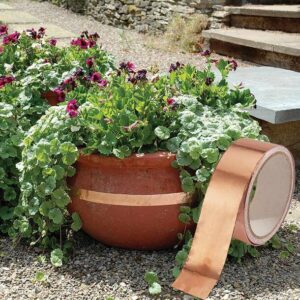
- Our Slug Repelling Copper Tape, a game-changer in the battle against garden pests. This 4.5-meter roll of copper tape creates a powerful deterrent for gastropod mollusks, such as slugs and snails.
- Stone, Patio, and Decking Cleaner designed to wash away years of accumulated grime, this powerful cleaner revitalises stonework, patios, and decking, leaving them looking brand new again.

Try new accessories for your garden
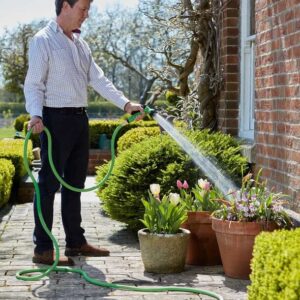
Hercul-Easy Hose is a revolutionary hose that will transform your watering experience. This hose expands to three times its length, providing extended reach and flexibility without the hassle of a traditional, bulky hose.
Westland Safe Lawn is the ultimate solution for feeding your lawn most safely and naturally possible. With Westland Safe Lawn, you can achieve a greener and healthier lawn in just seven days. This innovative formula is completely organic, ensuring that it’s not only effective but also safe for your children and pets.
Controlling pests in your garden is crucial for maintaining a healthy and thriving environment for your plants. By implementing these techniques, you can create a pest-resistant garden and enjoy the fruits of your labor without the interference of destructive pests. With knowledge and proactive measures, you can cultivate a beautiful garden and keep it pest-free throughout the growing season.


